Introduction
Creating a skincare routine for acne-prone skin can feel confusing, especially when there are so many products available. From facial cleansers and serums to moisturisers and sunscreen, choosing the right products can take time. The good news is that an effective routine does not need to include dozens of products.
A simple skincare routine for acne-prone skin should focus on cleansing, hydration, sun protection and selecting products that suit your skin type. In the UAE, heat, humidity, air conditioning and sun exposure can also influence how your skin feels throughout the day.
At ZarwaPrime, you can explore beauty and skincare products to help build a routine that suits your daily needs. This guide explains how to organise your skincare steps and choose products more carefully.
1. Understand Your Acne-Prone Skin
Acne-prone skin can be oily, dry, combination or sensitive. Some people experience excess oil and clogged pores, while others notice occasional breakouts alongside dryness or irritation.
Understanding your skin type helps you select suitable skincare products. For example, oily skin may feel comfortable with lightweight, non-comedogenic products, while dry skin may benefit from a richer moisturiser.
Avoid assuming that every breakout requires a strong treatment. Using too many active ingredients at once can irritate the skin and make your routine difficult to maintain.
Instead, start with a few essential products and introduce additional ingredients gradually when needed.
2. Cleanse Your Face Gently
Cleansing is the first step in a skincare routine for acne-prone skin. A gentle cleanser helps remove sweat, excess oil, sunscreen and everyday impurities without unnecessarily stripping the skin.
In the UAE, hot weather can make your face feel oily or sweaty, particularly after spending time outdoors. Washing your face in the morning and evening may help maintain a consistent routine. Cleanse after heavy sweating when necessary, but avoid repeatedly washing your face throughout the day.
When choosing a cleanser, consider these tips:
- Look for a gentle formula suitable for your skin type.
- Avoid harsh products that leave your face feeling tight or uncomfortable.
- Choose a non-comedogenic option if you are concerned about clogged pores.
- Use lukewarm water instead of very hot water.
- Pat your face dry with a clean towel rather than rubbing it.
A cleanser should leave your skin feeling clean and comfortable, not excessively dry.
3. Choose a Suitable Face Serum
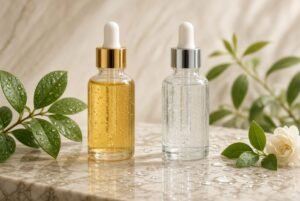
Face serums are concentrated skincare products designed to address specific concerns. Depending on their ingredients, they may support hydration, improve the appearance of uneven skin tone or help manage excess oil.
When selecting a face serum for acne-prone skin, consider your main concern rather than buying several products at once.
For example, niacinamide is commonly used in skincare products formulated to support the skin barrier and improve the appearance of excess oil. Salicylic acid is another ingredient used in products designed for clogged pores, although it may cause dryness or irritation in some people.
If you are new to serums, introduce one product at a time and follow its label instructions. Patch testing can help you identify potential irritation before applying a product more widely.
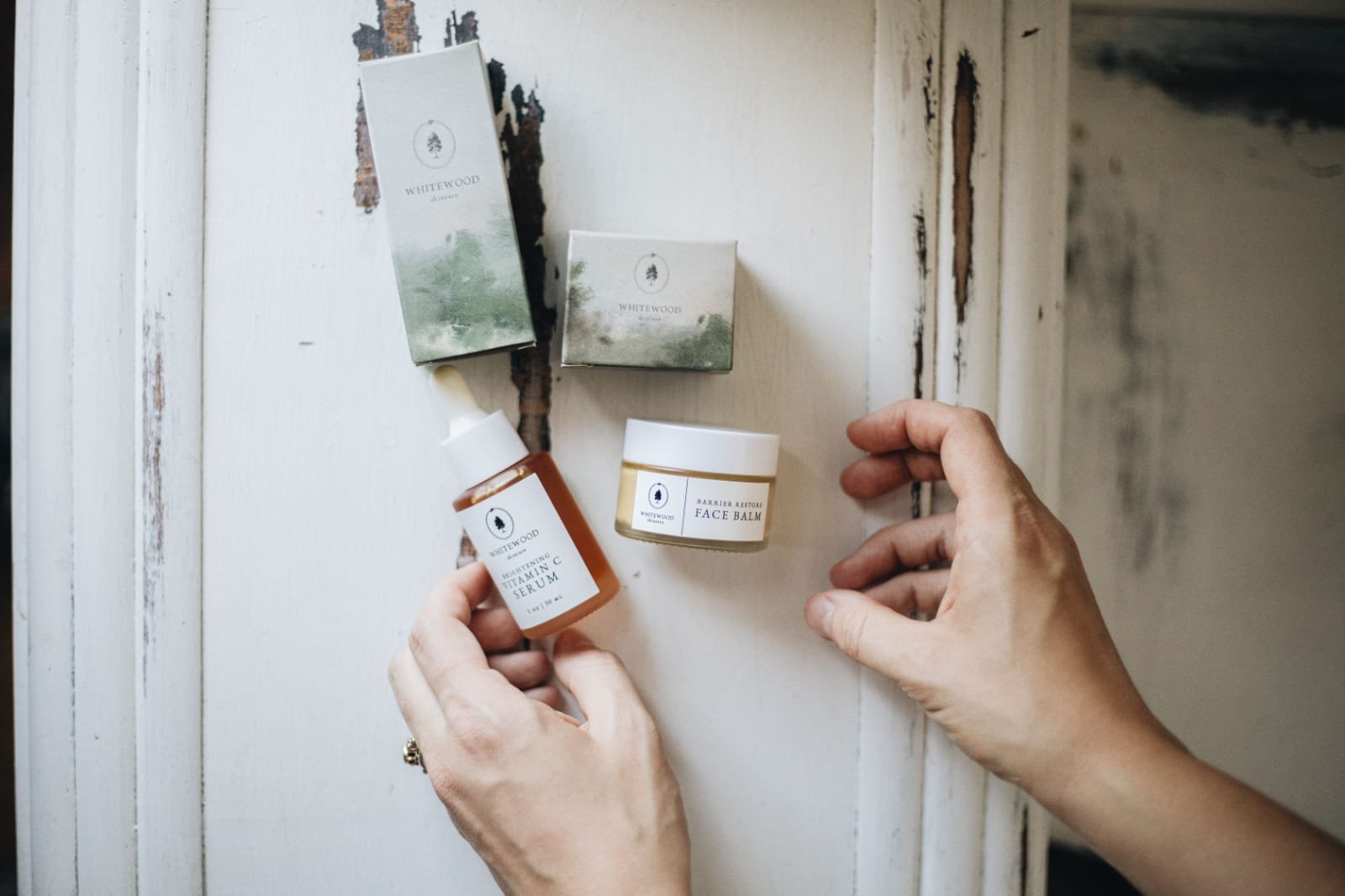
Explore the ZarwaPrime Face Serum collection to discover available serum options. Check each product’s ingredients and directions to determine whether it is appropriate for your skin.
Remember that a serum is optional. A gentle cleanser, moisturiser and sunscreen can form the foundation of a useful routine without requiring multiple active ingredients.
4. Use a Lightweight Moisturiser
One common skincare mistake is skipping moisturiser because the skin already feels oily. However, oily and acne-prone skin can still become dehydrated, particularly when exposed to air conditioning or drying skincare ingredients.
A suitable moisturiser helps maintain the skin’s moisture barrier and keeps your face feeling comfortable.
When choosing a moisturiser, consider the following:
- Lightweight textures may feel more comfortable on oily skin.
- Non-comedogenic formulas are designed to reduce the likelihood of clogging pores.
- Fragrance-free options may be preferable if your skin is sensitive.
- Creamier formulas may suit skin that feels dry or tight.
Apply moisturiser after cleansing and using your chosen serum. Follow the product instructions, and adjust the amount according to how your skin feels.
The goal is to maintain hydration without making your routine unnecessarily complicated.
5. Apply Sunscreen Every Morning
Sunscreen is an important part of daily skincare, especially in the UAE, where sun exposure can be significant throughout the year. Sun protection helps reduce UV damage and can help prevent dark marks from becoming more noticeable.
Choose a broad-spectrum sunscreen with SPF 30 or higher. If you have oily or acne-prone skin, you may prefer a lightweight, non-comedogenic formula.
Apply sunscreen as the final step of your morning skincare routine, following your moisturiser. Use an adequate amount according to the product instructions and reapply regularly, particularly after sweating, swimming or wiping your face.
Sunscreen is important even when your routine includes a serum intended to improve the appearance of uneven skin tone.
6. Follow a Simple Morning and Evening Routine
Keeping your routine consistent makes it easier to understand which products work well for your skin.
Morning routine
- Cleanse your face with a gentle cleanser.
- Apply a suitable serum if needed.
- Use a moisturiser appropriate for your skin type.
- Finish with broad-spectrum sunscreen.
Evening routine
- Remove sunscreen, makeup and daily impurities with a suitable cleanser.
- Apply your chosen serum if it is appropriate for evening use.
- Apply moisturiser to support skin hydration.
You do not need to use every skincare ingredient twice a day. Some products have specific usage instructions, so always follow the label and avoid combining potentially irritating treatments without appropriate guidance.
7. Common Skincare Mistakes to Avoid
Even well-intentioned skincare habits can make acne-prone skin feel more irritated. Avoid scrubbing your face aggressively, squeezing pimples or introducing several new active ingredients simultaneously.
Other mistakes include skipping moisturiser, using too many exfoliating products and expecting immediate results from every product.
Give your routine time to work, and make changes gradually. If a product causes persistent burning, redness, swelling or worsening irritation, stop using it.
For painful, deep, persistent or scarring acne, consult a qualified dermatologist. Skincare products can support daily care, but some acne requires professional assessment and treatment.
8. Build Your Routine Around Your Lifestyle
Your skincare routine should be practical enough to follow every day. If you spend much of your time outdoors, prioritise sunscreen and cleansing after sweating. If you work in air-conditioned environments, pay attention to dryness and choose a moisturiser that keeps your skin comfortable.
Avoid buying products simply because they are popular online. Consider your skin type, ingredient preferences, budget and the instructions provided by each manufacturer.
You can also explore other beauty essentials available through ZarwaPrime to find products that complement your personal routine. Introduce new items gradually so you can better understand how your skin responds.
Frequently Asked Questions
What is the best skincare routine for acne-prone skin?
A simple routine usually includes a gentle cleanser, a suitable moisturiser and daily sunscreen. A serum or acne-focused treatment may be added depending on your skin concerns and product suitability.
Should oily, acne-prone skin use moisturiser?
Yes. Oily skin can still need hydration. A lightweight, non-comedogenic moisturiser may help maintain skin comfort without adding an unnecessarily heavy feeling.
Can I use a face serum every day?
That depends on the serum’s ingredients and directions. Some formulas are suitable for daily use, while others should be introduced gradually. Follow the label and discontinue use if persistent irritation occurs.
How long does it take to see results from a skincare routine?
Results vary according to the products used and the skin concern being addressed. Consistent use may be needed over several weeks, and some acne concerns require professional treatment.
Is sunscreen necessary for acne-prone skin in the UAE?
Yes. Daily broad-spectrum sunscreen helps protect skin from ultraviolet radiation. Choose a formula that feels comfortable on your skin and reapply as directed.
Conclusion
Building a skincare routine for acne-prone skin does not have to be complicated. Start with gentle cleansing, use a suitable moisturiser, apply sunscreen every morning and add a serum only when it addresses a specific need.
The most useful routine is one that suits your skin type, fits your lifestyle and is easy to maintain. Explore the skincare options at ZarwaPrime and choose products carefully, keeping your skin’s comfort and individual needs in mind.