Choosing the right face serum can make your skincare routine more targeted and convenient. With so many formulas available, it can be difficult to decide which product suits your skin. Some serums focus on hydration, while others are designed to improve the appearance of uneven skin tone, dullness or visible signs of ageing. Choosing suitable skincare products can help you build a routine that matches your individual needs.
The best face serum for your skin type depends on your individual needs, the ingredients in the formula and how your skin responds to different products. A serum that works well for dry skin may feel too rich for someone with oily skin, while a product containing strong active ingredients may not suit sensitive skin.
In the UAE, warm weather, sun exposure and air-conditioned environments can also influence your skincare needs. This guide explains how to select a face serum and incorporate it into a simple daily routine.
You can also explore beauty and skincare products at ZarwaPrime to discover products that may complement your daily skincare routine.
1. Understand Your Skin Type First
Before buying a face serum, identify your skin type and main concern. This helps you avoid purchasing products that do not match your needs.
Oily skin: Your face may appear shiny, especially around the forehead, nose and chin. Lightweight, water-based serums may feel comfortable on oily skin.
Dry skin: Your skin may feel tight, rough or flaky. Hydrating ingredients such as hyaluronic acid and glycerin can help attract and retain moisture.
Combination skin: You may experience oiliness in some areas and dryness in others. A lightweight serum that provides hydration without feeling heavy can be a practical option.
Sensitive skin: Your skin may react to fragrance or certain active ingredients. Look for simple formulas, introduce products gradually and patch-test before regular use.
Normal skin: If your skin generally feels balanced, choose a serum based on your specific goals, such as hydration or improving the appearance of dullness.
Remember that skin type can change with the seasons, age, environment and skincare habits.
2. Choose Ingredients According to Your Needs
Reading the ingredient list can help you understand what a serum is designed to do. Instead of selecting a product because it is popular, focus on ingredients that suit your skin concerns.
Hyaluronic Acid for Hydration
Hyaluronic acid is a humectant that attracts water to help hydrate the skin. It is commonly included in serums designed to improve the appearance of dryness and maintain a plump, moisturised look.
A hydrating serum can be useful when your skin feels tight after cleansing or spending time in air-conditioned environments. Follow the product directions and apply moisturiser afterwards to help maintain hydration.
Niacinamide for Balanced-Looking Skin
Niacinamide, a form of vitamin B3, is used in skincare products to support the skin barrier and improve the appearance of uneven skin tone. It may also help reduce the appearance of excess oil for some people.
If you have oily or combination skin, a serum containing niacinamide may be worth considering. Start with a suitable formula and follow its recommended frequency of use.
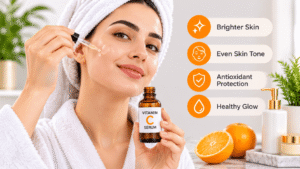
Vitamin C for Dull-Looking Skin
Vitamin C is an antioxidant commonly used in skincare to improve the appearance of dullness and uneven skin tone. It can be a useful ingredient for people who want their skin to look brighter.
Different Vitamin C formulas vary in concentration, stability and suitability. If your skin is sensitive, introduce the product gradually and stop using it if persistent irritation develops. Use sunscreen during the day as part of your routine.
Other Active Ingredients
Ingredients such as salicylic acid are used in products designed for clogged pores and blemish-prone skin. Retinoids are used in certain routines to address acne or visible signs of ageing, depending on the product and individual needs.
These ingredients may cause irritation or dryness, particularly when introduced too quickly. Follow product instructions and seek professional advice if you are unsure which active ingredient is appropriate.
3. Select the Right Serum for Oily Skin
If your skin produces excess oil, you may prefer a lightweight serum that absorbs comfortably without leaving a greasy finish.
Look for products marketed as lightweight or non-comedogenic, and consider ingredients such as niacinamide if they match your skincare goals. Avoid assuming that oily skin does not need hydration. A suitable moisturiser can help keep your skin comfortable.
A simple routine may include a gentle cleanser, a suitable serum, a lightweight moisturiser and broad-spectrum sunscreen in the morning.
Using too many exfoliating or acne-focused products together can irritate your skin. Introduce one new product at a time so you can monitor your skin’s response.
4. Find a Suitable Serum for Dry Skin
Dry skin often benefits from products that support hydration and reduce the feeling of tightness. A serum containing hyaluronic acid or glycerin may help improve the skin’s hydrated appearance.
However, a serum is not always a replacement for moisturiser. Follow your serum with a moisturising product that suits your skin, particularly if you experience persistent dryness.
In the UAE, air conditioning can make skin feel dry even when the weather outside is humid. Pay attention to how your skin feels rather than choosing products based only on the climate.
If your skin becomes irritated, simplify your routine and avoid adding multiple active ingredients until it feels comfortable again.
5. Choose Carefully for Sensitive Skin
Sensitive skin may respond poorly to certain fragrances, exfoliating acids or concentrated active ingredients. If this describes your skin, prioritise a simple formula and avoid introducing several new products at once.
Check the full ingredient list, follow the manufacturer’s instructions and patch-test the product according to its directions. A patch test cannot guarantee that irritation will never occur, but it may help identify some unwanted reactions.
If you experience persistent redness, burning, swelling or itching, stop using the product. Seek medical advice if symptoms are severe or do not settle.
6. How to Use a Face Serum Correctly
Using a serum correctly can help it fit comfortably into your skincare routine.
Morning Routine
- Cleanse your face with a suitable cleanser.
- Apply your serum according to its instructions.
- Use a moisturiser suitable for your skin type.
- Finish with broad-spectrum sunscreen of SPF 30 or higher.
Evening Routine
- Remove makeup, sunscreen and daily impurities with a suitable cleanser.
- Apply your evening serum if appropriate.
- Follow with moisturiser.
The correct application method can vary between formulas. Some products are intended for damp skin, while others have specific instructions for dry skin. Always check the product label.
Avoid layering several strong active ingredients without understanding whether they are compatible. A simple, consistent routine is often easier to maintain.
7. Common Mistakes When Buying a Face Serum
One common mistake is choosing a serum based only on its marketing claims. A higher price does not automatically mean a product will work better for your skin.
Other mistakes include buying several serums for the same concern, using too much product, ignoring the ingredient list and expecting immediate results.
It is also important to remember that skincare products do not guarantee the prevention or treatment of every skin concern. Persistent acne, severe irritation or other ongoing skin problems may require advice from a qualified dermatologist.
Consider your skin type, budget, preferred texture and main skincare goal before making a purchase.
8. Explore Face Serums at ZarwaPrime
Once you understand your skin type, comparing available products becomes easier. Check each serum’s ingredients, intended use and application instructions before deciding whether it fits your routine.
Visit the face serums for different skin types collection at ZarwaPrime to explore available options. Compare the product descriptions carefully and choose according to your individual skincare needs.
You can also visit the ZarwaPrime skincare collection to explore other beauty and skincare categories. Start with one suitable serum rather than purchasing multiple products at the same time.
Frequently Asked Questions
Which face serum is best for all skin types?
There is no single serum that is best for everyone. A hydrating serum may suit many skin types, but the most appropriate choice depends on your skin concerns, ingredient preferences and product formulation.
Can I use a face serum every day?
Some serums are formulated for daily use, while others need to be introduced gradually. Always follow the manufacturer’s directions and monitor your skin for irritation.
Should I apply serum before or after moisturiser?
In many routines, serum is applied after cleansing and before moisturiser. However, follow the specific product instructions because formulations can differ.
Is Vitamin C serum suitable for oily skin?
It may be suitable for some people with oily skin. Choose a formula that fits your needs, introduce it gradually if necessary and use sunscreen during the day.
How many serums should I use in one routine?
You do not need multiple serums to maintain a useful skincare routine. Start with one product that addresses your main concern and add another only if there is a clear reason to do so.
Conclusion
Choosing a face serum starts with understanding your skin type and identifying your main skincare concern. Hydrating ingredients may suit dry skin, while lightweight formulas may be more comfortable for oily skin. Niacinamide and Vitamin C are other options to consider, depending on your goals and the product formulation.
Keep your routine simple, introduce new products gradually and use sunscreen every morning. Explore the face serum collection at ZarwaPrime to compare available options and choose a product that fits your skincare needs.